If you’re looking for a way to get moving but don’t want to deal with sore joints or high intensity workouts, low impact exercises are honestly pretty perfect. I’m always surprised at how effective and surprisingly fun these beginner friendly moves can be. No need for fancy equipment or previous experience, just some motivation to start and a comfortable space. Here, you’ll find the top 10 low impact exercises that I recommend for complete beginners, along with essential tips and a few pointers to help you feel confident about your fitness adventure.
Why Choose Low Impact Exercise as a Beginner?
Starting something new always feels easier when you aren’t worried about getting hurt or feeling overwhelmed. Low impact exercises are really ideal for beginners because they’re gentle on joints, help prevent injuries, and still improve strength, flexibility, and overall stamina. These movements don’t involve jumping or jarring motions, so your knees, ankles, and back get a break. According to the CDC, even a little bit of regular activity improves mood, sleep, and heart health. Low impact routines are also easy to adjust as your confidence and fitness grow, making them a great place to start if you haven’t exercised in a while, or ever.
Low impact doesn’t mean low results. You’ll still get all the benefits like calorie burn, better energy levels, and muscle tone, just without the pounding or breathless exhaustion of high intensity workouts. This type of exercise is recommended by doctors and physical therapists alike for people with arthritis, joint pain, or those returning after an injury.
Getting Started with Low Impact Exercise
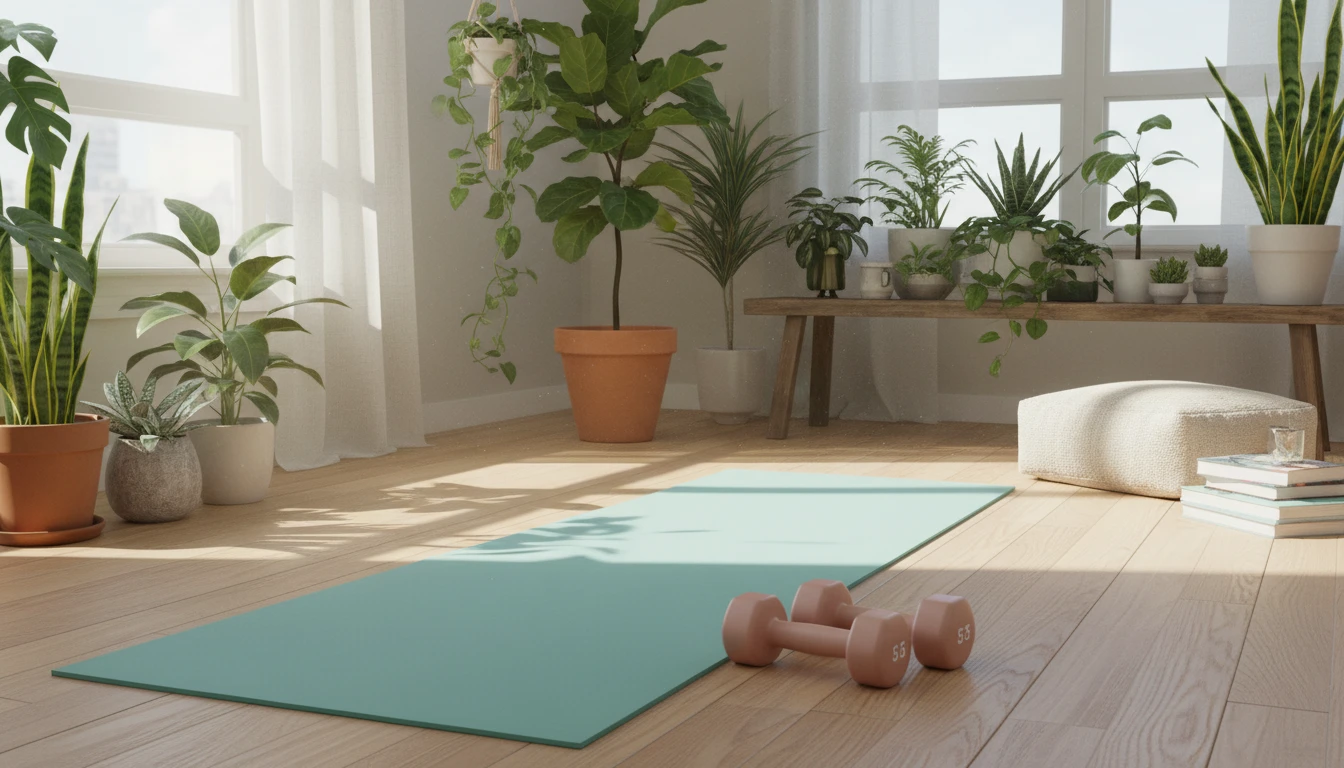
Every beginner goes through a little trial and error to figure out what works. I always suggest testing a few different activities to see which ones feel most enjoyable and manageable. Try to find a time and space you can use regularly, maybe putting on music or a podcast to help you stick with it. Start with slow, controlled movements, focusing on good posture and breathing deeply. Even 10 or 15 minutes at a time can make a real difference.
Wear comfortable clothing and supportive shoes if you’re standing. A good surface, like a mat or a carpeted floor, helps reduce strain. If you have any existing injuries or conditions, it’s useful to check with a healthcare provider before trying something new, just to make sure everything’s safe.
- What counts as low impact? If both feet aren’t leaving the ground at the same time and your movements are smooth, it’s probably low impact.
- Isn’t this just for “older” people? Not at all. Athletes use low impact training for recovery, and everyone benefits from less joint stress.
The Top 10 Low Impact Exercises for Beginners
I’ve put together my go to list of beginner friendly, low impact exercises. You’ll find a mix here, so you can keep things fresh and stay interested.
- Walking

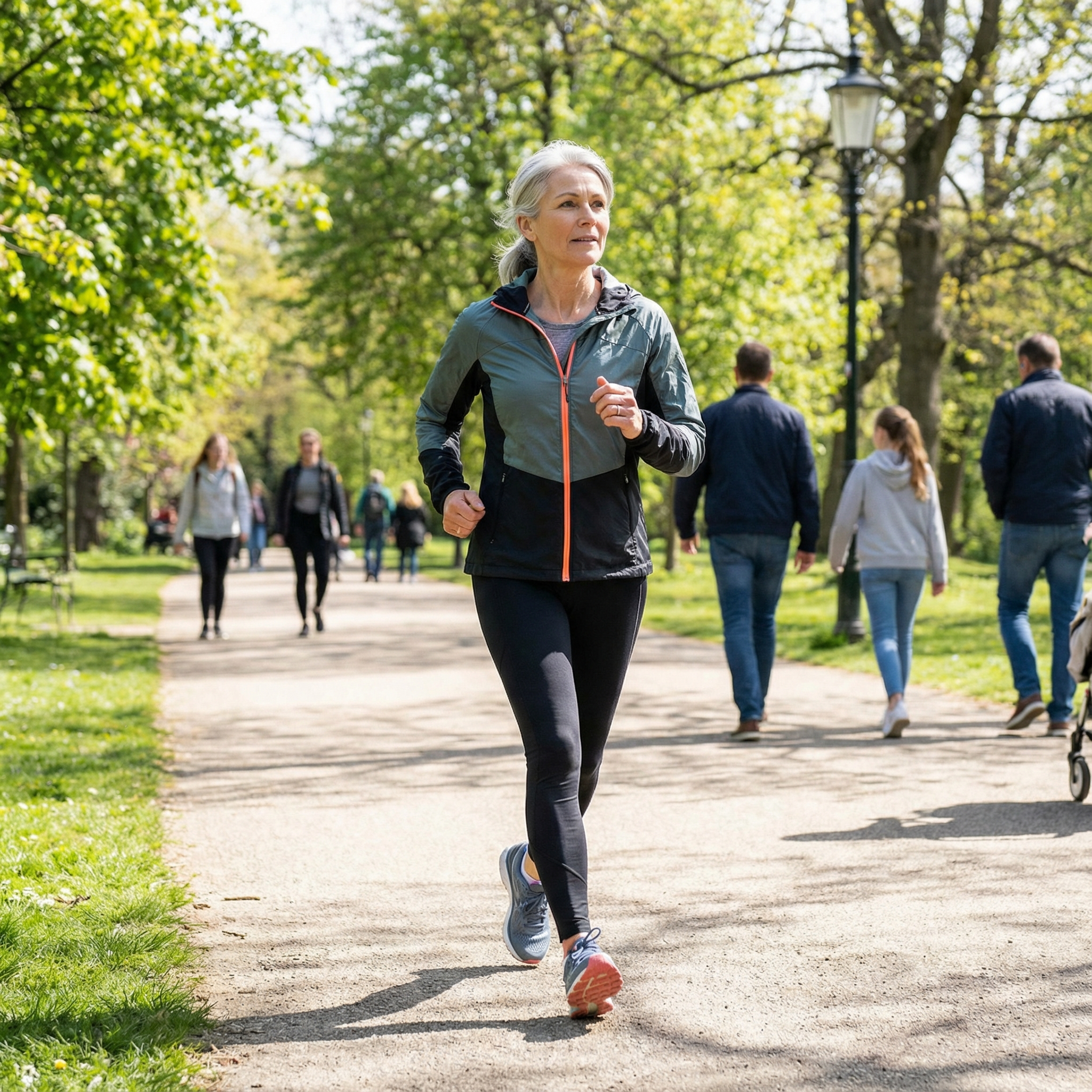
Sounds simple, but walking is one of the best ways to boost your fitness. Indoors, outdoors, at the mall—it all counts. Start slow, then gradually build up your speed or distance. Good shoes make this even more comfortable. - Marching in Place

If you’re not ready for long walks or if the weather’s bad, marching in place is a great choice. You can do this while watching TV or listening to a playlist. Try lifting your knees a little higher to increase the challenge as you get comfortable with it. - Chair Exercises
I love chair workouts for absolute beginners or anyone with balance challenges. You can do seated leg lifts, seated arm circles, or gentle twists. It’s really handy when you want to sneak in some movement at your desk or kitchen table. - Swimming or Water Aerobics
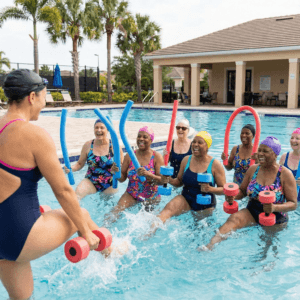
Moving through water gives you resistance and support at the same time. It takes pressure off joints, and you can go at your own pace. Local pools usually offer beginner water aerobics classes where there’s no pressure to keep up. - Stationary Cycling
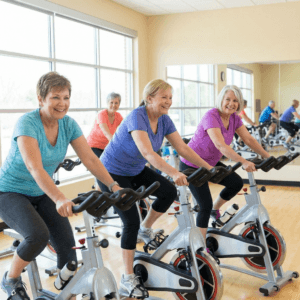
Using a stationary bike, either at home or at a gym, gives your legs a great workout, and you can keep it as gentle as you like. Adjust the seat height so your knees stay happy, and start with a low resistance setting. - Yoga
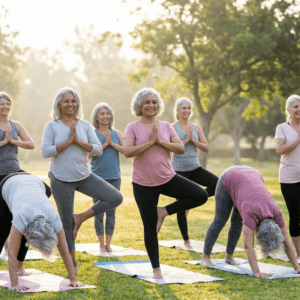
Beginner yoga is all about stretching, breathing, and gentle movement. There are loads of online videos for beginners. Try some basic poses, like child’s pose, seated forward bend, or gentle catcow stretches, to improve mobility and calm your mind. - Basic Bodyweight Squats
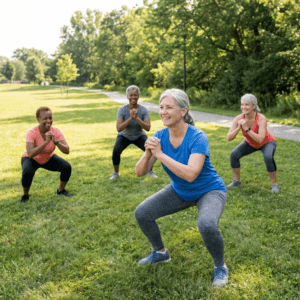
Squats build leg and core strength, and you don’t have to go deep. Start by sitting back into a chair and standing up, using support if needed. Over time, you can add repetitions or try freestanding squats. - Step Touches
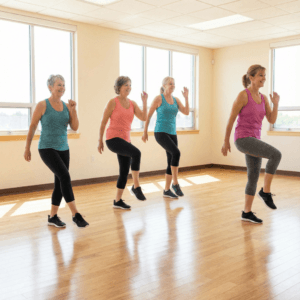
This simple side to side move gets your heart rate up a bit without leaving the floor. Step one foot to the side and then bring the other to meet it. Add swinging arms or light hand weights as you get stronger. - Standing Wall PushUps
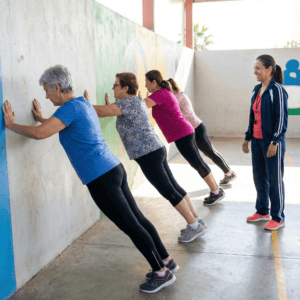
Traditional pushups can feel intimidating, but wall pushups let you build upper body strength gently. Stand facing a wall, place your hands at shoulder height, and slowly press in and out. As you gain confidence, step your feet farther from the wall for more resistance. - Gentle Stretching
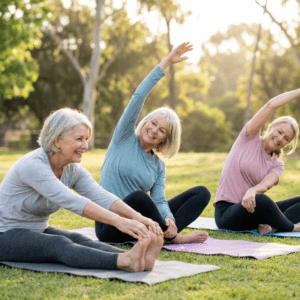
Sometimes, just finishing your day with gentle fullbody stretches does wonders. Reach up, bend sideways, and do easy twists. Stretching keeps you flexible and helps muscles recover, especially if you’re new to moving more.
Common Issues and How to Handle Them
Everyone faces a few hurdles early on. Here are some of the main things new exercisers run into, plus a few ways I’ve found that can help you stay motivated and safe.
- Staying Consistent: Building a habit is the hardest part. Make it easier by scheduling short sessions at the same time each day and celebrating your progress, no matter how small.
- Worrying About Progress: If it feels slow, remember that every little bit counts. Progress looks different for everyone. Taking photos, keeping notes, or marking off completed workouts on a calendar all help you see changes over time.
- Avoiding Discomfort: Listen to your body. Some mild muscle fatigue is normal, especially in the first week. Sharp pain, though, means it’s time to pause and reassess. Adjust your positions or reduce repetitions if something doesn’t feel right.
- Feeling SelfConscious: Working out at home, in a quiet corner of a gym, or with a buddy can ease the nerves. The more often you show up, the more comfortable you’ll become.
Tips for Making the Most of Low Impact Exercise
I picked up a few tricks over time to keep things interesting and safe as you start out:
- Warm Up and Cool Down: Spend a couple of minutes moving gently at the start and finish. This helps your body adjust and can prevent soreness.
- Focus on Form: Going slower and really nailing your technique is way more useful than rushing through lots of repetitions.
- Mix Things Up: Rotate through different exercises to keep things fun and work different muscles. If you get bored of one move, try out another from the list.
- Celebrate Small Wins: Maybe it’s finishing five minutes or hitting a new step count. Every bit deserves credit.
How to Choose the Right Exercise for You
The best workout is honestly the one you enjoy enough to keep doing. If swimming feels awkward but you love a walk in the park, stick with the walk. It’s okay to try a few things before you settle into a routine that fits your lifestyle, schedule, and motivation. Many programs offer free or trial classes so you can explore different options without making a big commitment.
User reviews and local forums can be super handy for finding community classes, online programs, or supportive groups. Connecting with others, even virtually, often boosts both mood and accountability.
Frequently Asked Questions (FAQs)
How often should I do low impact exercise as a beginner?
Aim for 2–4 sessions per week to start, even if they’re just 10–15 minutes long. Consistency matters a lot more than intensity at this stage.
Can low impact exercises help with weight loss or just flexibility?
They do both. Regular movement burns calories and helps reduce body fat, especially combined with other healthy habits. Plus, activities like yoga, walking, and swimming boost flexibility and overall endurance.
What equipment do I need to get started?
Most low impact exercises use your own body weight, but things like a sturdy chair, a yoga mat, or some light hand weights can make things more comfortable and fun.
Should I talk to a doctor first?
If you have any chronic health conditions, pain, or concerns about starting an exercise routine, it’s always a good idea to run it by a doctor or physical therapist.
Wrapping Up
Low impact exercises are perfect for beginners looking to improve their fitness without stressing their joints or risking burnout. Every bit of movement counts and starting small brings real results over time. Keep things fun, try new moves, and remember, you’re doing something really positive for both body and mind by just getting started.
If you’re searching for more resources or want extra tips on progressing at your pace, check out beginner friendly online routines or local community classes for a little more support as you level up your fitness adventure.